


Missoula County commissioners in Montana have approved an ambitious infrastructure plan for the Wye – an unincorporated community – that will transform the area into an urban center. The five-phase plan details critical infrastructure needs amounting to $765.8 million in projects to realize the county’s vision.
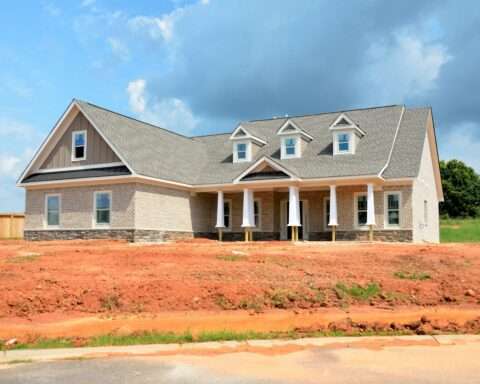
The Wye Infrastructure Plan (WIP) projects tremendous growth for the area as the community urbanizes over the next 50 years. The county has already planned around 3,500 homes and 1.5 million square feet of industrial projects over the next two decades, with up to 15,000 homes and 7.7 million square feet of industrial space by 2075.
The WIP will address critical infrastructure deficiencies that currently impact the area, including the lack of a multimodal transportation network, inaccessible water supply and distribution, wastewater and stormwater management and other essential amenities.
The county divided the plan into five phases to support meaningful and driven development. Each phase covers projects in the transportation, water, sewer and stormwater sectors. These include:
- Phase 0: Catalyst and Precedent Infrastructure – $42 million.
- Phase 1: Extend Core Infrastructure and Address Constraints – $63.9 million.
- Phase 2: Infrastructure Expansion for Urban Development – $120.1 million.
- Phase 3: Expand Urban Scale Infrastructure – $252.2 million.
- Phase 4: Extend Urban Infrastructure to Butler Creek and Edges – $287.6 million.
In Phase 0, the county will prioritize essential infrastructure needs for facilitating meaningful developments. These will include foundational investments and projects that function as pieces of a larger vision.
Transportation projects in this phase will target intersection improvements and the installation of traffic signals. Plans include building an initial sewer system for primary and mechanical treatment and disposal alongside lift station improvements. Water projects will include developing industrial and residential area water systems to supply, store, pump and transmit water. The county will also extend the Wye water system transmission main. Stormwater efforts will target major drainage limitations by addressing outfalls, collection and detention initiatives.
Phase 1 will incrementally build on foundational elements, advancing major projects in the water, sewer and transportation sectors. This will include expanding water infrastructure, sewer treatment and disposal capacity and address transportation grid improvements.
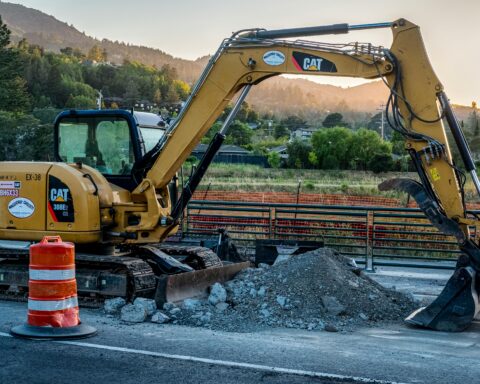
Among the planned Phase 1 transportation projects, the county will widen a highway to include turn lanes, shoulders, non-motorized facilities and drainage improvements. Additional work will focus on establishing Complete Street connections, upgrading streets and improving road drainage systems. The county will also improve intersections with traffic signals and roundabouts.
Stormwater work will largely continue where Phase 0 is left off, targeting outfall, collection and detention limitations. For sewer projects, the county will expand residential area collection systems and lift stations. Water infrastructure is set for expanded transmission and distribution systems, as well as supply and treatment infrastructure across multiple sub areas.
Phase 2 will place more emphasis on urban development through localized improvements that build upon the foundational elements. Plans include progressively expanding water and sewer infrastructure and enhancing the transportation grid and intersection layouts.
Among the planned street improvements featured in the WIP, the county will extend and widen roads and corridors, improve drainage and reconstruct a bridge to provide more lanes and non-motorized facilities. Alongside continued intersection improvements, the county will build a shared-use path between the interstate and the highway.
Planned sewer projects for Phase 2 will include expanding residential area collection systems and lift stations across multiple sub areas of the community. Water initiatives will continue progressively expanding storage, distribution and supply, while the county focuses on improving collection infrastructure in urban legacy areas for stormwater management.
Phase 3 will continue urban scale infrastructure expansion in earnest. The WIP includes measures to solve the regional water and sewer systems, decommission infrastructure and expand the transportation grid.
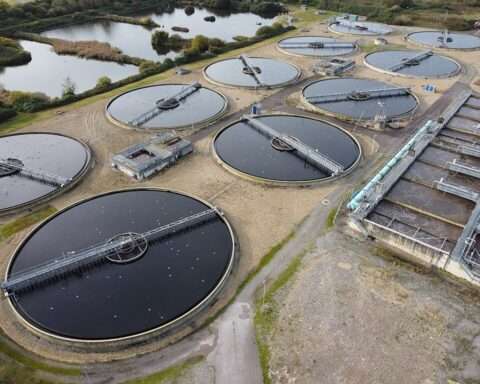
In a similar vein as what has already been accomplished in previous phases, planned transportation projects will revolve around building Complete Street connections, upgrading roads and making improvements to intersections. Notably, the county will begin building the regional treatment plant, one of the largest projects featured in the WIP. Additional sewer work will consist of building and completing collection systems and lift stations for a planned neighborhood area. Water projects will prioritize progressive expansion and enhancement, while stormwater initiatives will improve collection systems in urban legacy areas.
The final phase will help address transportation and utility challenges for the Butler Creek area and any remaining undeveloped areas. Like with all previous phases, the county will work to improve public infrastructure, prioritizing efforts to enhance, upgrade and expand utility and transportation infrastructure.
Transportation projects in Phase 4 align with past efforts to add new Complete Streets and improve road conditions. Additional work will include building grade-separated crossings along railroads and building an interchange with on- and off-ramps. Plans include implementing various intersection improvements and building a shared-use path underneath an interstate highway.
For sewer projects, the county will continue building the regional treatment plant while also prioritizing regional disposal and collection with lift station infrastructure. Missoula County will build a dedicated water system for the Butler Creek area, including supply, storage, pumping and transmission. Plans include expanding and extending water infrastructure as needed in the remaining study area. Finally, the county will address water quality treatment and stormwater detention deficiencies in targeted areas.
Photo by Prefeitura de Itapevi from Itapevi, Brasil, CC BY 2.0 https://creativecommons.org/licenses/by/2.0, from Wikimedia Commons
For more of the latest from the expansive government marketplace, check Government Market News daily for new stories, insights and profiles from public sector professionals. Check out our national contracting newsletter here.