

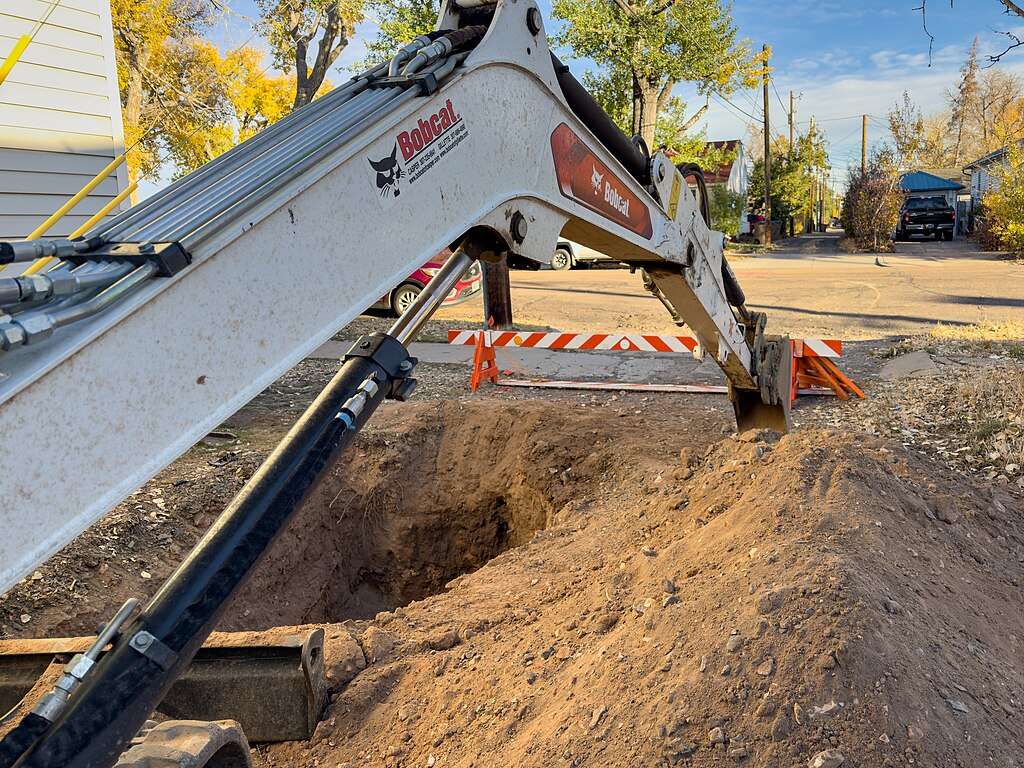
Michigan is advancing efforts to clean up and repurpose sites through statewide investments and new proposed legislation.
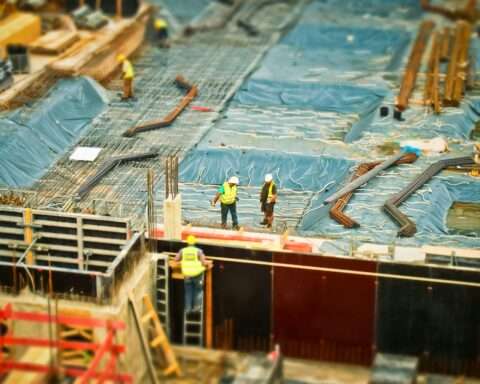
The Michigan Department of Environment, Great Lakes and Energy (EGLE) has budgeted $77.6 million in its 2026 budget for its Renew Michigan program, which helps communities looking to redevelop properties like old gas stations, former factories or retail locations where expansion, redevelopment or reuse is complicated by the presence or potential presence of hazardous substances and contaminants.
The EGLE program offers grants and low-interest loans for projects that promote the reuse of contaminated properties and provide economic benefit to the community. Local government units — including redevelopment authorities, economic development corporations or other public bodies created pursuant to state law — can apply for the funding year-round.
The state legislation is in the works that could potentially help finance projects.
House Bills 5286 and 5287 would double the cap on brownfield grant and loan awards from $1 million to $2 million per project to adjust for the increased cost of redeveloping contaminated sites and remove the limit of one project per community per year, making funding more accessible for both large urban areas and smaller communities.
The proposed legislation would also:
- Reduce cost-share barriers for local governments that own contaminated property, enabling more cleanup projects to move forward.
- Modernize eligibility requirements for asbestos abatement, demolition and universal waste removal.
- Clarify and simplify the application process, making it easier for local partners to access funding.
Brownfield Grants and Loans can be used to address environmental costs associated with the contaminated property being redeveloped, including:
- Environmental investigations and baseline environmental Assessments
- Due care planning and implementation
- Underground storage tank removal
- Response activities
- Demolition, lead, mold, and asbestos abatement
Since 2019, EGLE’s Brownfield Redevelopment Program has provided $184 million in incentives supporting 474 projects in more than 50 communities. These projects have leveraged $8.3 billion in private investment and created over 20,000 jobs, transforming long-abandoned sites into valuable assets that strengthen local economies and improve quality of life.
Photo by Tony Webster, CC BY 2.0 https://creativecommons.org/licenses/by/2.0, from Wikimedia Commons
For more of the latest from the expansive government marketplace, check Government Market News daily for new stories, insights and profiles from public sector professionals. Check out our national contracting newsletter here.