

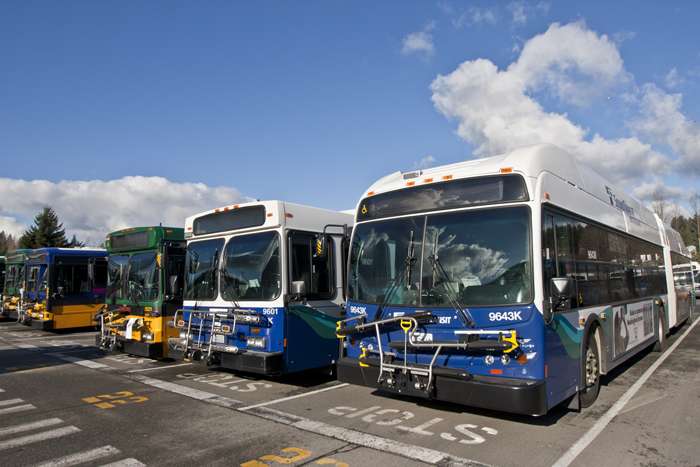
The King County Council in Washington has officially approved the King County Metro’s $4 billion budget for 2026 through 2027. The budget prioritizes investments across all modes of transit, alongside public safety, cleaning, emergency preparedness and carbon footprint reduction.
Notable inclusions in the budget revolve around the Metro’s efforts to continue expanding the RapidRide network. Plans include building the RapidRide R Line – servicing Seattle’s Chinatown-International District, Mount Baker, Columbia City, Hillman City, Brighton and Dunlap – and the RapidRide K Line – serving Bellevue and Kirkland. The authority will support ongoing expansion projects, including building and opening the RapidRide I and J Lines.
To better serve King County’s rural and southern areas, Metro will prioritize transit improvement initiatives to increase accessibility and frequency. Targeted investments will include Access Paratransit, Dial-a-Ride Transit, the King County Water Taxi, Metro Flex and Sound Transit Link light rail. Additional investments will continue supporting Snoqualmie Valley Transportation’s frequency rates in alignment with expanded service in the county’s unincorporated areas. Metro Flex pilot zones in Auburn and Federal Way will be given the green light through the budget.
In total, Metro anticipates adding more than 400,00 service hours to the transit network, ensuring the riders at the Sound Transit Link light rail stations will benefit from better, more frequent service for the foreseeable future. The budget will also kick off the Safety, Security and Fare Enforcement (SaFE) Reform initiative to enhance public safety and security along the network.
The authority has prioritized greenhouse gas emission reduction as part of its holistic transit strategy, implementing new policies and technologies to help address climate change and mitigate impacts. This includes supporting the upcoming first-ever bus base designed to support zero-emissions buses by adding staff and support services. All other bus bases will convert existing diesel-hybrid buses to models that run on renewable diesel.
Cleaning initiatives are listed among Metro’s primary efforts to improve the ridership experience. The budget allocated funding to support frequent bus interior cleaning and advancing a pilot project to regularly clean high-priority bus stops. Finally, Metro approved workforce development and training initiatives for bus operators.
Photo by Sound Transit Special Selection, CC BY 2.0 https://creativecommons.org/licenses/by/2.0, from Wikimedia Commons
For more of the latest from the expansive government marketplace, check Government Market News daily for new stories, insights and profiles from public sector professionals. Check out our national contracting newsletter here.