


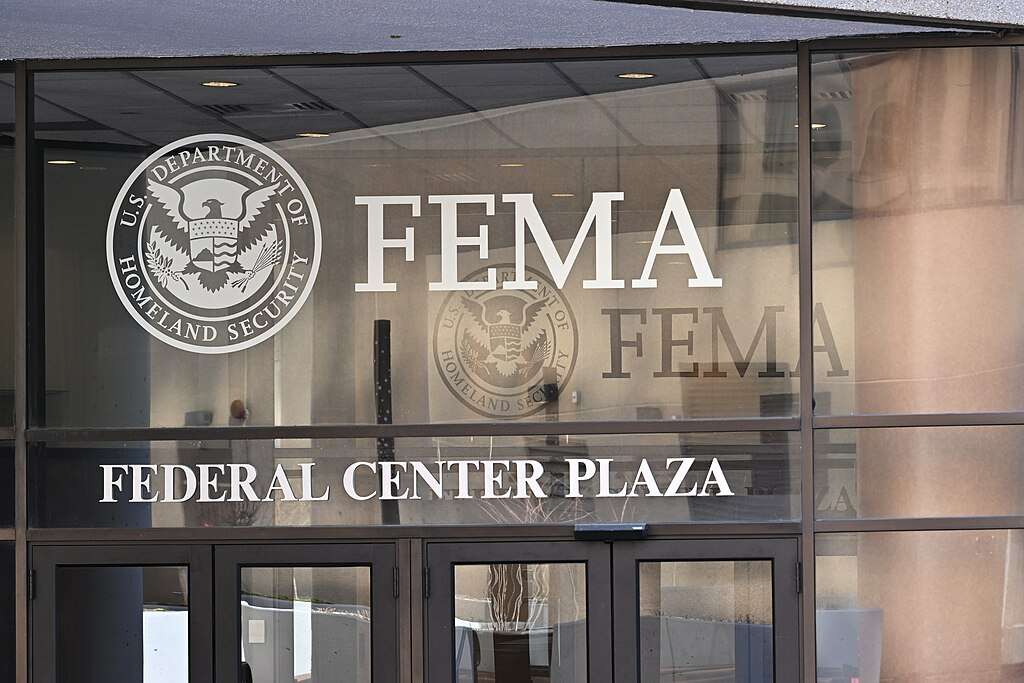
The Federal Emergency Management Agency (FEMA) is proposing to gut emergency workforces, following leaked Department of Homeland Security (DHS) emails announcing the proposed changes and cuts.
The emails, first reported by The Washington Post and CNN, outline more than 10,800 jobs that may be on the chopping block in 2026, primarily focused in the Cadre of On-Call Response and Recovery (CORE) and “surge” workforces. The proposed cuts would toll some of FEMA’s front line positions, including federal responders to natural disasters and recovery and post-disaster support staff.
Internal documents also described a secret round of layoffs that occurred late last month, affecting approximately 65 members of the CORE team, which supports on-the-ground recovery efforts in devastated communities. Leaked documents outline a total 4,300 CORE positions that are at risk of termination in 2026.
The move to cut FEMA’s emergency response workforce comes months after the Trump Administration sought to eliminate or reform and relocate the federal agency to Texas, tapping the state’s own emergency management personnel to lead FEMA. Among a myriad of other proposed changes, federal officials are envisioning sweeping cuts to FEMA and other federal workforces to reduce waste and increase productivity.
While the leaked emails and documents suggest that change is coming, a FEMA spokesperson reported that no plans for a wide-spread workforce reduction has been approved by the White House or DHS.
If FEMA workforce cuts proposed for 2026 are implemented, state and local governments may be forced to absorb greater disaster recovery responsibilities in the absence of sufficient federal support. Some governments nationwide have already adopted new strategies, plans and legislation to guide emergency planning and management, including locally led mitigation projects in Alexandria, Virginia; San Francisco and Boston.
Proponents of the move suggest additional reforms to FEMA’s workforce and operations could open opportunities for the agency to relocate or stand alone as its own cabinet-level entity, possibly ensuring faster aid delivery. Notably, proposed changes to the agency could require congressional approval before implementing any large-scale reforms.
Photo by G. Edward Johnson, CC BY 4.0 https://creativecommons.org/licenses/by/4.0, from Wikimedia Commons
For more of the latest from the expansive government marketplace, check Government Market News daily for new stories, insights and profiles from public sector professionals. Check out our national contracting newsletter here.