

Transit systems throughout California’s Bay Area are under a period of change, with planned improvements across the region. Bay Area Rapid Transit, the rapid transit system servicing the San Francisco Bay Area, recently published a new plan outlining new multimodal upgrades, sustainability initiatives and capital improvements.
Hundreds of thousands of passengers rely on the BART transit system to remain entrenched in the cultural, economic and residential cores of the region each day. The state’s efforts to maintain its safe, accessible and affordable operations have resulted in roughly 32,000 gallons and gas being saved and cutting more than 600,000 pounds of greenhouse gas (GHG) emissions from heightening the climate crisis.
With the adoption of the newest iteration of the 2026-2035 Sustainability Action Plan (SAP), BART has re-committed itself to advancing the agency’s core ideals to conserve and procure energy, emphasize green infrastructure, mitigate pollution and implement clean energy technologies. The agency split its planned actions and policies across seven categories:
- Energy and GHG Emissions.
- Water.
- Waste.
- Materials and Construction Practices.
- Resilience and Adaptation.
- Transportation and Land Use.
- Rider and Employee Experience.
The agency’s Energy and GHG Emissions efforts will predominantly revolve around accomplishing goals that improve energy efficiency and reduce its carbon footprint. Actions featured in the SAP include improving energy efficiency and regenerative braking in BART’s all-electric train cars and tracks, electrifying the BART-to-Antioch Extension and investing in continual improvement to BART facility energy efficiency and electrification.
Electrification remains a top priority for BART, including the ongoing electrification of the agency-owned non-revenue vehicle fleet. Additional actions include practicing emission-reduction behaviors in BART-owned vehicle use, evaluating installation of onsite renewable energy generation and storage and transitioning to 100% renewable power for its electricity. BART aims to reduce GHG emissions by 56% and reduce energy use by 5% over the next five years.
BART will prioritize two major actions to address water usage by improving water efficiency at agency facilities. Measures will include conducting water audits and implementing water efficiency solutions including installing low-flow fixtures, enhancing water recycling equipment across all stations, shops and yards by 2035. BART will also prioritize using recycled water sources to supply facilities, including rainwater and stormwater capture for onsite reuse and green infrastructure to manage stormwater. The agency intends to reduce potable water use by 18% by 2030.
The Waste category included six total actions needed to reduce recyclables contamination and capture rates by 25% over the next five years. These measures include improving recycling collection, composting collection and electronic waste collection. BART will also install water bottle refill stations at facilities, promote reuse of operational materials and reduce waste from construction, demolition and maintenance projects.
BART’s primary goal to improve Materials and Construction Practices will be to adopt the Green Procurement Policy by 2030. This will include implementing regular updated contract requirements that satisfy sustainability goals alongside a sustainable purchasing program for ongoing operations.
Climate change will continue to pose a significant risk to BART operations without any further investment in resilience. The agency’s efforts in the Resilience and Adaptation category include evaluating local hazards, especially those that disproportionately impact marginalized and underserved communities. BART will also create a Climate Resilience Roadmap and pilot local passengers’ resilience hubs at stations. Full implementation will result in complete resilience planning and assessments for critical infrastructure and the initiation of adaptation measures by 2028.
To facilitate improvements in the Transportation and Land Use category, BART will increase transit-oriented development (TOD), make stations more accessible for pedestrians and bicyclists and expand electric vehicle charging station infrastructure. TOD projects are expected to provide more than 5,300 residential units and 874 thousand square feet of commercial space by 2030.
The final category features four measures to meaningfully enhance the Rider and Employee Experience. BART will start by taking actions to create more comfortable station and train environments by reducing noise and improving shelter. The agency will work to create more welcoming and safer station and train environments through various security and quality-of-life upgrades. Finally, BART will improve building systems to support employee health, comfort and performance.
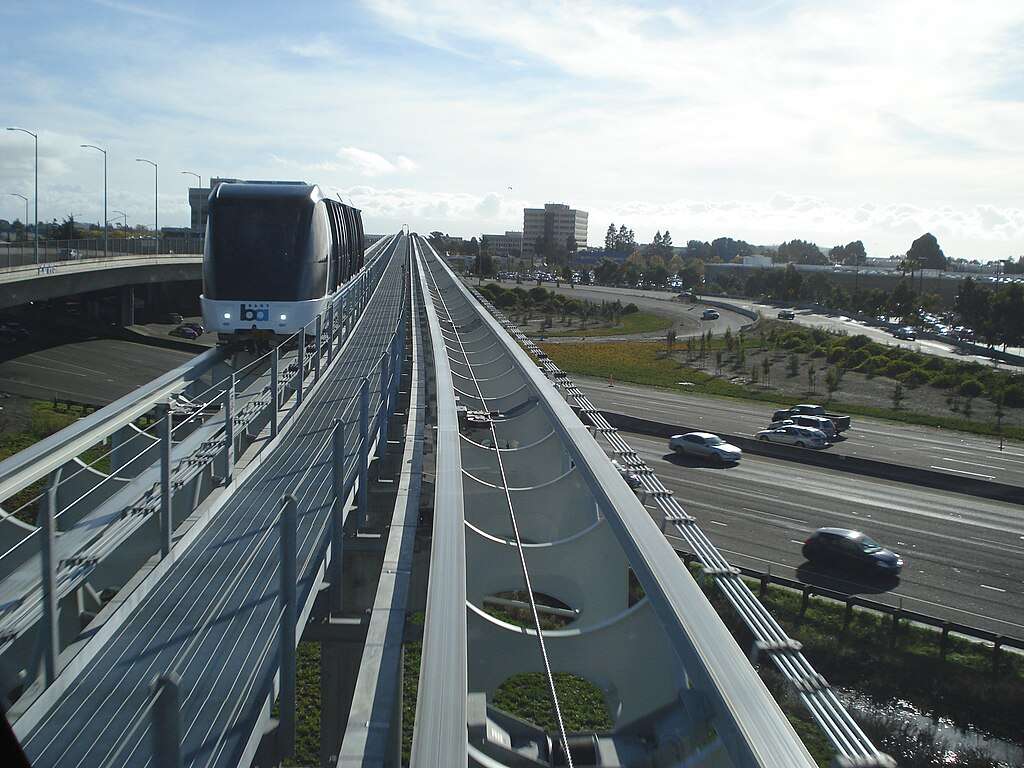
Photo by Eric Fischer, CC BY 2.0 https://creativecommons.org/licenses/by/2.0, from Wikimedia Commons
For more of the latest from the expansive government marketplace, check Government Market News daily for new stories, insights and profiles from public sector professionals. Check out our national contracting newsletter here.