

Arizona state officials have released a report outlining 31 recommendations to harden its energy grid. The Arizona Energy Promis Taskforce developed the report as part of the state’s push to emphasize a modernized power grid network, bolster economic growth, reduce inefficiencies and mitigate rising costs driven by large-scale commercial and industrial energy consumers.
The final report is composed of three separate reports composed by the 36-member taskforce. The documents include the Large Load Framework, Strategic Energy Plan and Generation and Transmission Corridor Strategic Plan. The deliverables cover overlapping subjects, such as managing load growth, building an effective energy portfolio for the state and refining processes to guarantee optimal efficiency in generation and transmission development.
The Large Loads Framework provides the core analysis needed to have a shared understanding of large load customer growth, implications for the energy system and policy options to keep energy affordable for taxpayers.
The Strategic Energy Plan was developed by three working groups to optimize the use of deployable, innovative and affordable energy resources and emerging energy technologies. Topics of discussion revolved around:
- Distributed energy resources.
- Energy efficiency.
- Demand flexibility.
- Virtual power plants.
- Advanced transmission technologies.
- Geothermal generation.
- Advanced nuclear generation.
The Generation and Transmission Corridor Strategic Plan was developed to coordinate state resources with efforts to produce timely, cost-effective generation and transmission infrastructure. The report outlines areas to cut red tape related to the lease, sale or use of state lands that advance projects associated with the plan’s strategic vision.
Notably, the report was developed in light of several energy-centric cutbacks required by the federal government since the new administration took office. While select programs have either had their funding cut or operations scaled back, the state has maintained its focus on promoting affordable, resilient energy infrastructure while carving a path to embrace sustainability and innovation.
In December 2025, the state allocated $15.6 million to support four grid resiliency projects targeting efforts to modernize infrastructure ahead of inclement weather and climate change. Full implementation will help reduce power outages, mitigate wildfire risk by 20% in vulnerable regions, increase weather resiliency to minimize outage impacts, extend equipment lifespan and identify decisions to enhance grid resilience in the future.
The holistic report was made in response to record breaking peak electricity demand amid extreme heat in 2025. Recommendations featured in the final document are split across six categories covering every corner of the state’s energy production and distribution infrastructure. These categories include:
- Overarching.
- Large load.
- Strategic energy.
- Geothermal.
- Nuclear.
- Generation and transmission.
Overarching goals cover efforts to accelerate energy generation, transportation and transmission project timelines to reduce overall costs. In addition to establishing a path for securing a skilled energy workforce, the state should encourage transparent and responsible water use and build community support for energy project development.
For large loads, the report first stipulates that the state should support the Arizona Corporation Commission’s (ACC) efforts to prevent cost shifts, mitigate stranded asset risks and increase development transparency. The state should also explore collaborations with utilities to accelerate project delivery, help large load custo9mers adopt energy management tools and require that these customers take a community-centric approach to energy delivery.
Additional recommendations to better handle large load customers include investing in the energy system and updating tax and financial incentives. The state should also educate the community and ensure they’re equipped to handle and negotiate large load development.
Recommendations to support the state’s strategic energy initiatives include investing in reliable, affordable and sustainable generation conversions, supporting clean repowering and promoting new resource energy deployment. The state should also raise awareness and support for expanded deployment of programs to increase resource diversity, grid flexibility and energy efficiency initiatives as a grid resource to reduce system costs.
The state should look into removing red tape and administrative barriers that prevents the deployment of advanced transmission technologies (ATT) and distributed solar projects. Additional recommendations include deploying cost-effective, readily deployable utility-scale wind and solar energy projects and transmission lines and adoption of low carbon- and water-use firm capacity and energy storage technologies.
In an effort to capitalize on geothermal solutions, the state should increase its energy resource diversity by improving geothermal resource characterization and streamlining rules and regulations to attract private investors. Additional measures should be placed to protect the state’s water resources and wildlife from unintended consequences and impacts caused by geothermal expansion.
The state should request support from the federal government to advance early-stage geothermal opportunities and capitalize on partnerships to attract early-to-market investors. Finally, Arizona should create a geothermal playbook to decrease barriers to market and include next-generation geothermal potential in long-term energy resource planning.
One of the biggest measures to support nuclear development starts with identifying options to achieve project finance certainty and implement guardrails to decrease project costs while maintaining affordability. Arizona should also support project development at the state level to accelerate timelines and reduce costs.
Among the state’s efforts to advance generation and transmission innovation, recommendations include designing a local priority framework to build community capacity to handle project proposal discussions. Arizona should pursue efforts to expand transmission co-location and uprating opportunities to facilitate transmission planning, improve timelines and protect natural resources and wildlife.
The state should also modernize the Arizona State Land Department’s (ASLD) procedures to ease project siting and decrease costs. Finally, Arizona should develop a map of assets to support future planning and siting efforts while preventing bottlenecks in energy infrastructure development by investing in improved regional transmission planning.
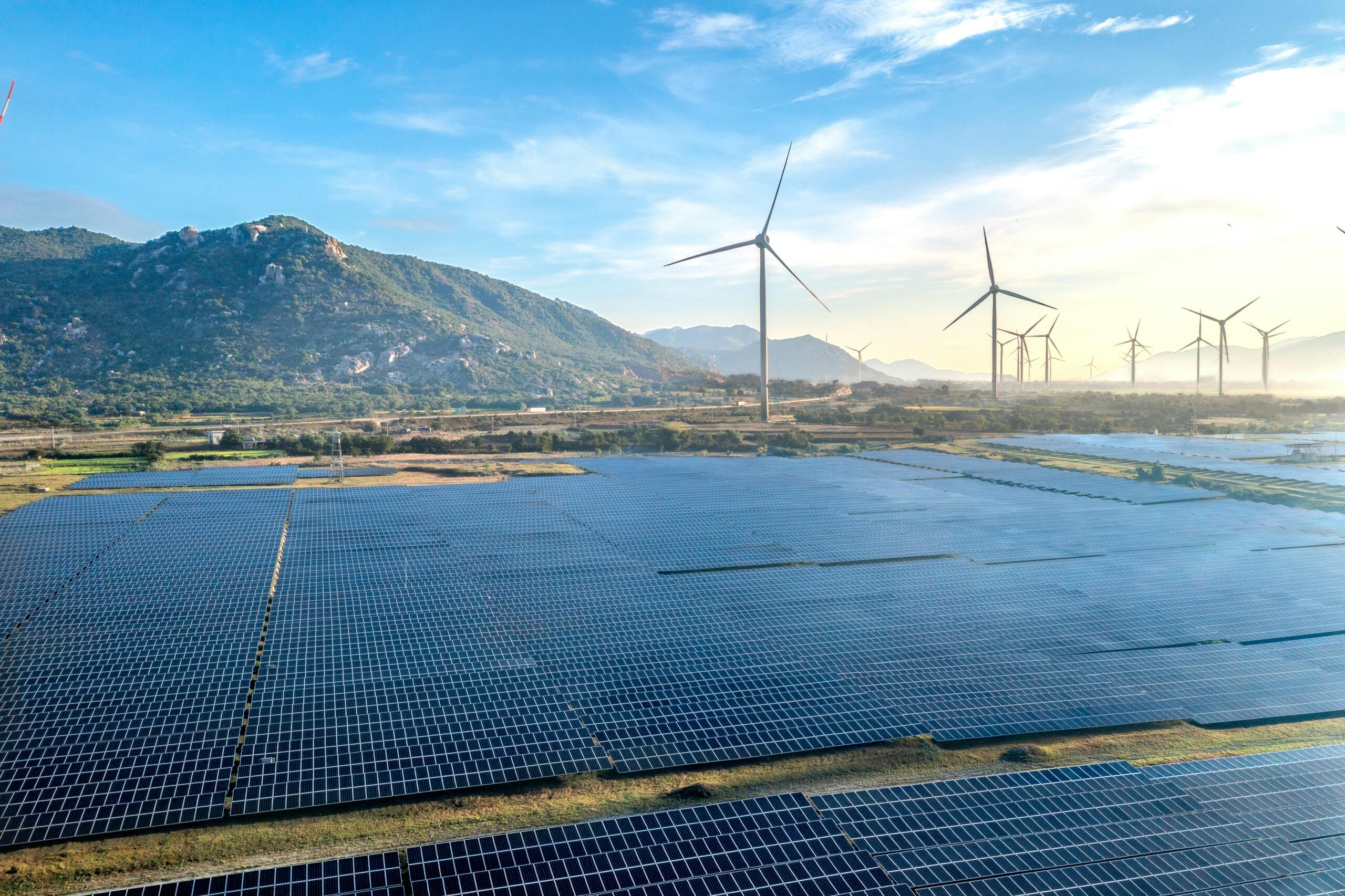
Photo by Quang Nguyen Vinh from Pexels
For more of the latest from the expansive government marketplace, check Government Market News daily for new stories, insights and profiles from public sector professionals. Check out our national contracting newsletter here.