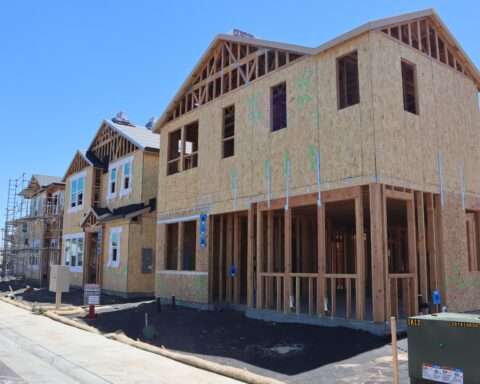



Maryland state officials laid out a new plan to boost local housing supplies while integrating transit-oriented features into new developments.
Maryland Gov. Wes Moore announced the Housing Growth and Affordability Agenda earlier this month for the 2026 legislative session, a package of proposals aimed at boosting housing supply near transit hubs while making it easier for residents to rely on public transportation.
The announcement builds on Moore’s Sept. 3, 2025, executive order and the proposed Maryland Transit and Housing Opportunity Act of 2026, both of which focus on encouraging development in areas already served by transit. The idea is to create more affordable housing in places where residents can get around without relying as heavily on cars.
Under the executive order, the Maryland Department of Housing and Community Development is working with the Maryland Department of Transportation and the Maryland Department of General Services to identify state-owned land that could be used for housing. Agencies are expected to maintain a public list of viable sites beginning in January 2026. The order also established the Maryland Housing Leadership Awards, which recognize communities making progress toward state housing goals, particularly those using state support programs.
The Transit and Housing Opportunity Act would go a step further by easing parking requirements for certain developments and making more than 300 acres of state-owned land available for housing. State officials estimate the measure could support the construction of more than 7,000 housing units. Planning for those projects would be supported by MDOT’s Transit-Oriented Development Hub, a state resource that provides data and guidance for building near transit stations.
Moore is also backing two additional bills this session. The Starter and Silver Homes Act of 2026 would encourage smaller home designs aimed at first-time buyers and empty nesters, which administration officials say could make new homes cost about 30% less than typical market options. The Housing Certainty Act of 2026 focuses on speeding up the development process by streamlining fees and limiting rule changes once projects receive approval.
Administration officials say the combined initiatives could generate nearly $1.4 billion in new state and local tax revenue, while addressing housing affordability and putting underused state property to work.
Photo by Eli1726, CC BY 4.0 https://creativecommons.org/licenses/by/4.0, from Wikimedia Commons
For more of the latest from the expansive government marketplace, check Government Market News daily for new stories, insights and profiles from public sector professionals. Check out our national contracting newsletter here.