

The U.S. House of Representatives has passed a bill that would modify the National Environmental Policy Act (NEPA) to accelerate approval for energy development and infrastructure projects. The legislation has moved into the Senate for further consideration and approval.
The Standardizing Permitting and Expediting Economic Development (SPEED) Act aligns with the administration’s efforts to encourage growth by cutting red tape and loosening regulatory frameworks. The act would limit what federal actions would ordinarily trigger the NEPA review process – a process that bipartisan legislators understand to have bloated into a cumbersome, drawn-out version of itself that lengthens permitting timelines and escalates costs.
The bill’s primary goal will be to accelerate development by shortening permitting timelines and reducing litigation frequency. Among the featured changes, the SPEED Act would redefine major federal actions, including restricting federal action taken based solely on the provision of federal funds.
The act targets redundancy measures that currently only serve to slow development and regulatory approval. This includes excluding the need for NEPA review to be instituted in cases where a project or action has already been reviewed under another federal, state or tribal environmental review statue that meets NEPA requirements.
In addition, agencies would be directed to only consider effects proximately caused by the immediate project or action under consideration while preparing an environmental document for proposed action. Agencies would discard or disregard effects that are:
- Speculative.
- Attenuated from the project or action.
- Separate in time or place from the project or action.
- In relation to separate projects or actions.
Agencies would also no longer be required to prepare an environmental assessment for actions that would be unlikely to have a significant impact on the quality of the human environment. The modification expands the current NEPA requirement that only applies to actions that would not have this impact.
It’s anticipated that the changes to the NEPA review process would particularly benefit artificial intelligence (AI) infrastructure development. Promotion of the AI industry has been a high priority for the administration, with the passage of the bill further enabling and accelerating AI data center projects across the nation.
The SPEED Act would build on the efforts of the Genesis Mission, launched in November. The Genesis Mission is a coordinated national effort to drive AI-accelerated innovation and discovery through the creation of an integrated AI platform. The platform – called the American Science and Security Platform – will harness federal scientific datasets to train sci8entific foundation models and create AI agents to test hypotheses, automate research workflows and accelerate scientific breakthroughs.
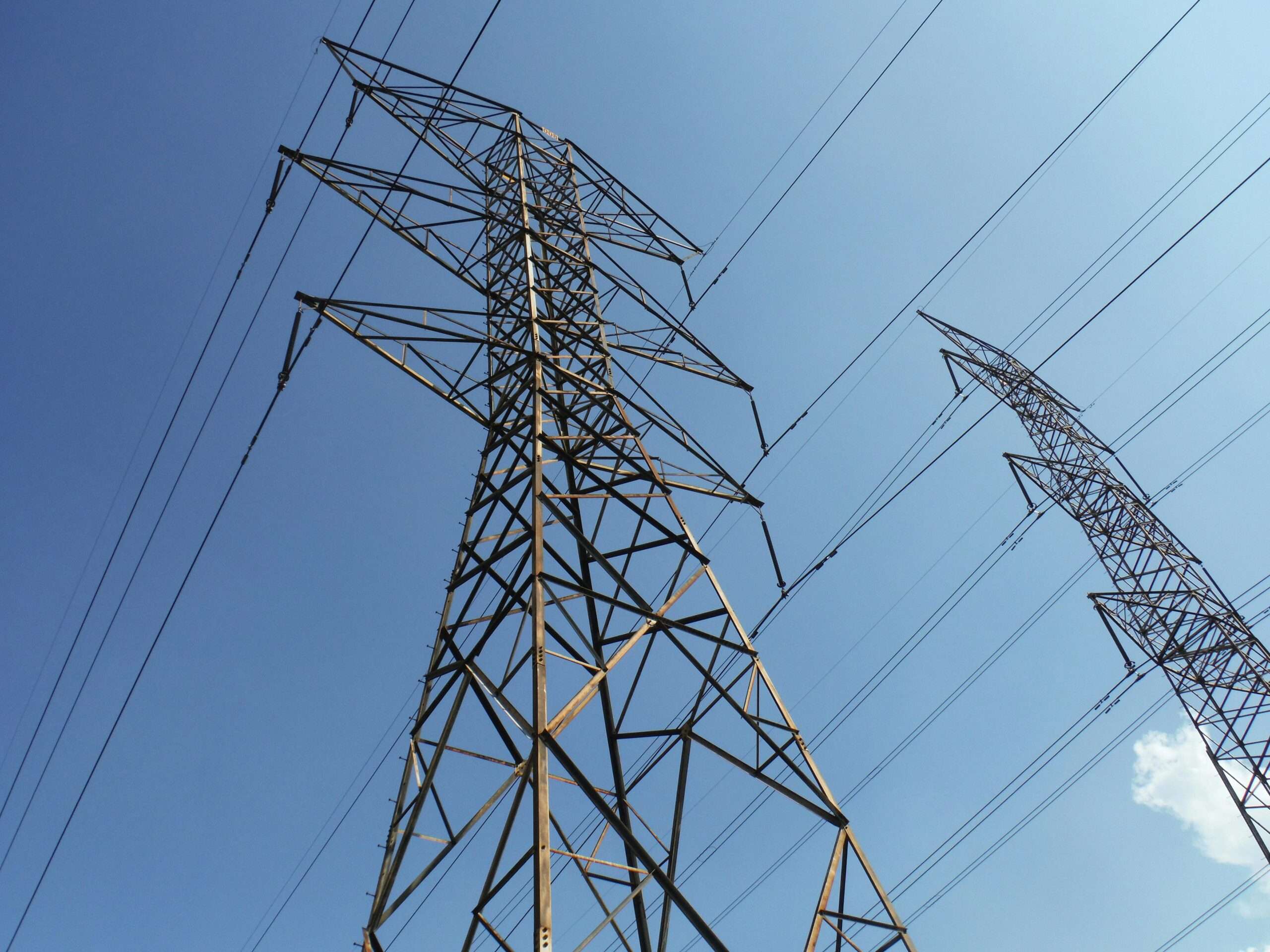
Photo by Miguel Á. Padriñán from Pexels
This story is a part of the weekly Government Contracting Pipeline digital news publication. See more of the latest government contracting news here. For more national government news, check Government Market News daily for new stories, insights and profiles from public sector professionals.