

With nearly $33.5 million in federal funding on the table and new state policy reform, smaller communities in Massachusetts will have more freedom to invest in housing and neighborhood development projects.
The state’s Housing Choice Initiative is built around the idea that cities and towns largely control what gets built through zoning and permitting, so statewide housing goals cannot be met without local governments acting as partners. Created in 2018 and updated in 2025, the initiative gives municipalities a single point of entry for grants, technical assistance and policy support. The overarching goal is to increase housing supply while encouraging smarter, more sustainable growth.
At the center of the program is the Housing Choice Community designation, recognizing municipalities that produce housing and adopt local best practices, such as pro-housing zoning, streamlined permitting and affordability policies. Designated Communities gain priority access to a range of state funding programs, including infrastructure, transportation and open space grants, along with financial incentives such as reduced interest rates on certain state loans.
The new Rural and Small Town Housing Choice designation expands access for smaller communities beginning in 2026. State officials say feedback showed that rural areas face different market conditions but still play a critical role in addressing housing shortages.
The Housing Choice Initiative is tied to recent zoning changes meant to make it easier for communities to approve housing. These changes lowered the number of local votes needed for some zoning decisions and require communities served by the Massachusetts Bay Transportation Authority to allow multifamily housing by right in at least one zoning district. The goal is to remove procedural roadblocks while still letting cities and towns decide where new housing makes sense.
Housing Choice is paired with federal Community Development Block Grant (CDBG) funding, a flexible source of funding for small cities and towns serving low- and moderate-income residents. It is administered by the Massachusetts Executive Office of Housing and Livable Communities.
In this round, communities are using CDBG dollars for housing rehabilitation, street and sidewalk work, public facilities, planning and social services. While projects differ from place to place, the focus is on stabilizing neighborhoods, preserving existing housing and supporting long-term community health.
Officials describe the strategy as intentionally flexible, giving communities options instead of a one-size-fits-all model. The idea is to make it easier to add housing and manage growth without forcing cities and towns into approaches that fit larger cities, but do not fit local conditions.
The Housing Choice Initiative aligns with a statewide goal of 135,000 new housing units by 2025, with designated communities producing the majority of recent growth. State leaders say sustaining that pace will require continued coordination between state and local governments, along with ongoing investment in housing and supportive infrastructure.
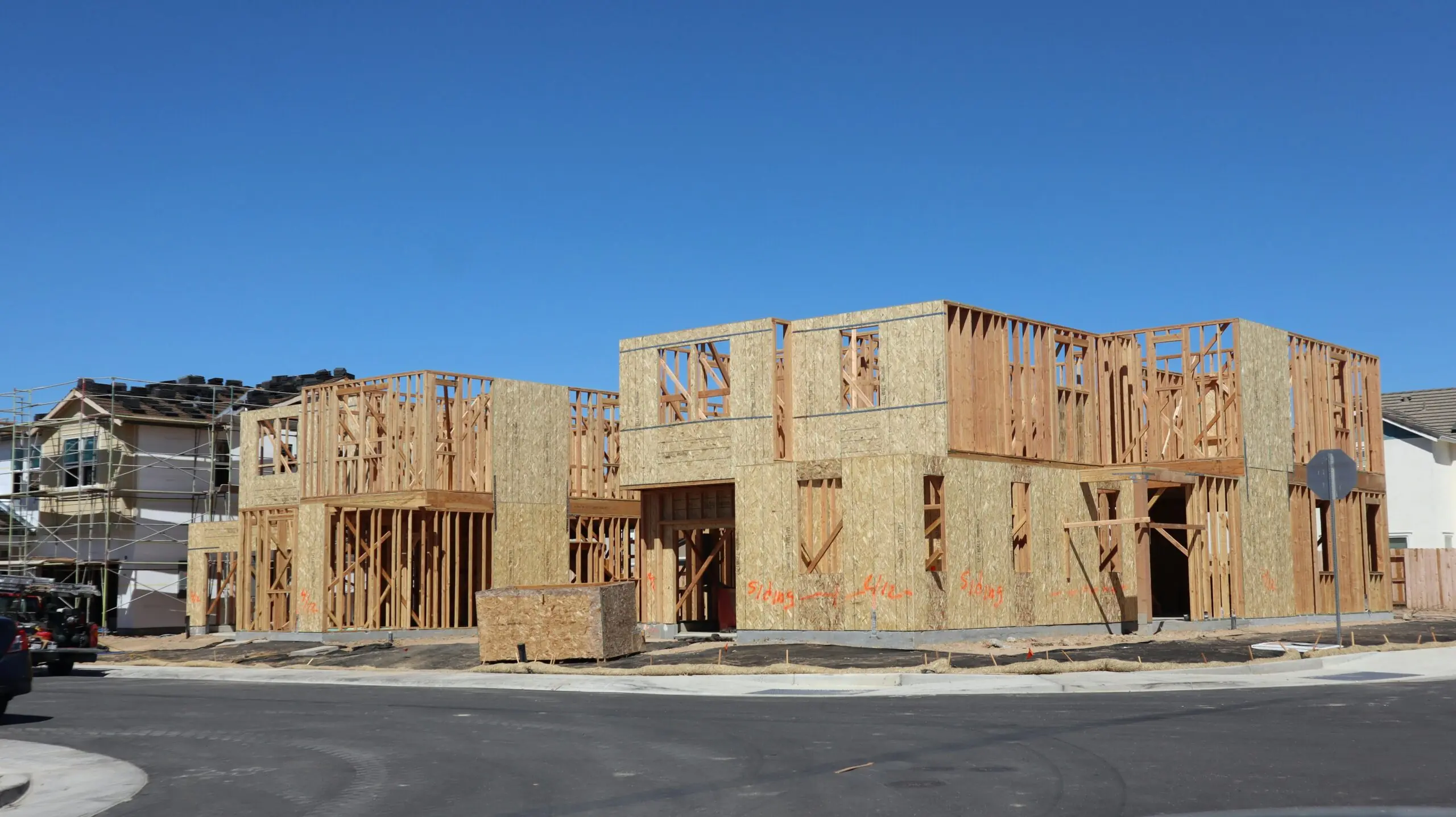
Photo by D Goug from Pexels
For more of the latest from the expansive government marketplace, check Government Market News daily for new stories, insights and profiles from public sector professionals. Check out our national contracting newsletter here.