

New Jersey lawmakers have released its latest energy blueprint, the 2024 Energy Master Plan (EMP), laying out a “no-regrets” strategy to guide the state’s clean-energy transition and grid modernization over the next decade.
The EMP was developed over roughly 22 months, beginning in early 2024 and concluding around October 2025. The “2024” in the name corresponds to the year in which the revision process was launched, even though final publication came in November 2025. The timing also coincides with the governor’s departure in January 2026.
Building on the prior 2019 plan, this update draws on research from consulting firms including Energy and Environmental Economics (E3), ILLUME Advising and BW Research. Their analysis supports a “no-regrets” framework, designed to deliver sustainable clean-energy while preserving flexibility to adapt to future technological or market shifts.
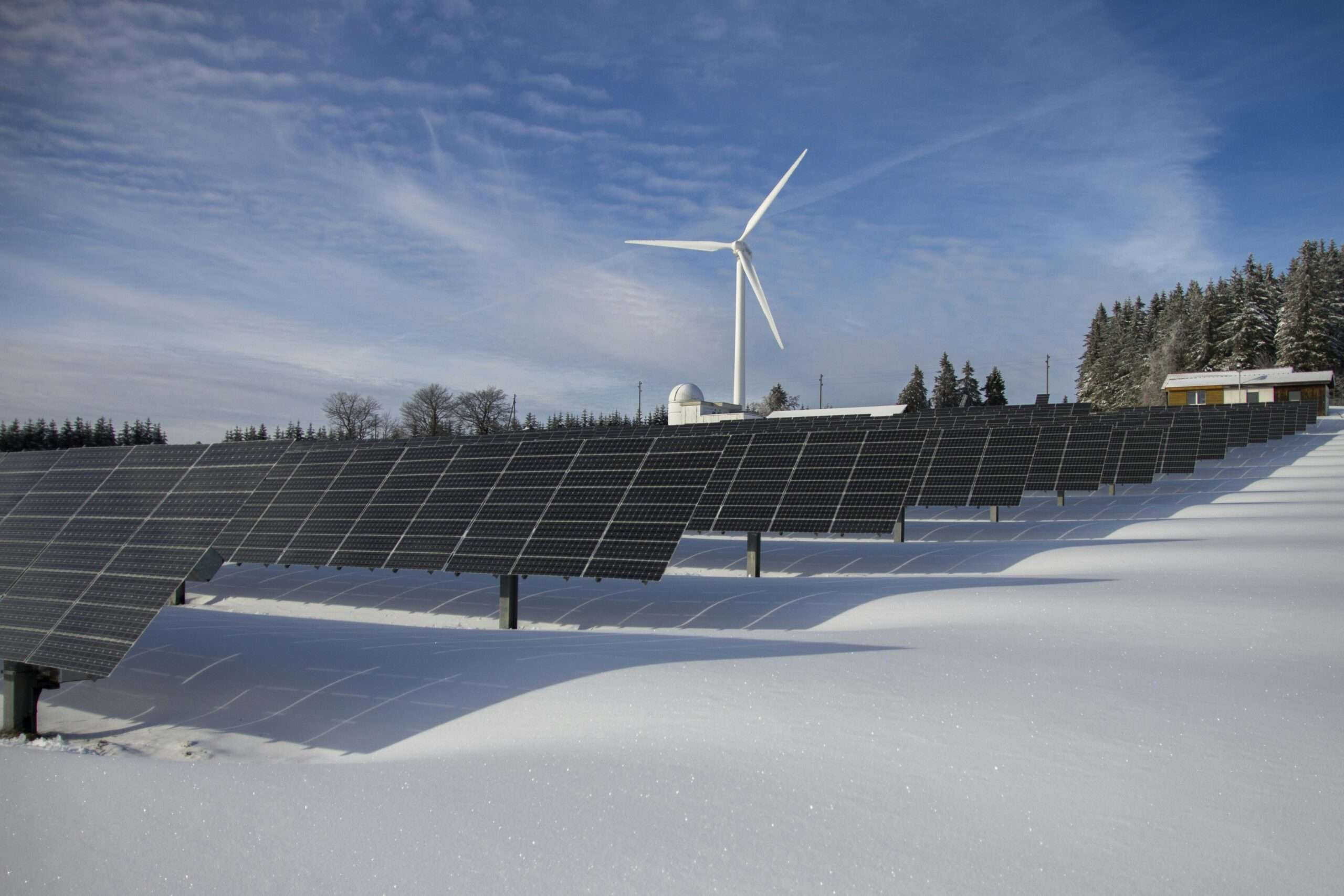
Core goals of the plan include 100% clean electricity by 2035 and 80% economy-wide emissions reduction by 2050. To meet those goals, the EMP calls for an acceleration of in-state renewable energy generation, including solar, wind, advanced nuclear, green hydrogen and battery storage. The EMP advises reduced reliance on imported electricity to allow for more price stability and jobs over time.
Decarbonization and energy-efficiency programs are key pillars of the plan. The EMP emphasizes reducing overall electricity demand through improvements to equipment and buildings, lowering consumer bills and easing pressure on wholesale power markets. Investments in grid modernization will prepare New Jersey’s electric infrastructure to accommodate growing demand and rising load from electrification.
Transportation electrification remains a major priority. The state reports about 260,000 light-duty electric vehicles (EVs) are already on the road and more than 5,000 charging ports have been deployed statewide. This progress brings New Jersey close to its goal of 330,000 EVs by the end of 2025. The EMP calls for expanded public-private partnerships (P3s), increased charging infrastructure and affordability measures, especially for low- to moderate-income households.
New Jersey is among 10 states that have signed a statement of intent to create a collaborative at the gubernatorial level. These states’ governors plan to enhance coordination in clean energy integration and affordability across the region.
Projections in New Jersey alone estimate between 14,300 and 42,400 more workers will be needed in energy and green-economy sectors within the next decade. The state has a target of 750 megawatts (MW) of new solar capacity through 2026. Workforce initiatives already in place, such as training hubs and apprenticeships, will be prioritized and expanded according to the plan’s guidelines.
The 2024 EMP represents a bold roadmap for New Jersey’s energy future. Ambitious climate targets and practical strategies intend not just to cut emissions, but also to deliver reliability, lower costs and job growth.
Photo by Pixabay
For more of the latest from the expansive government marketplace, check Government Market News daily for new stories, insights and profiles from public sector professionals. Check out our national contracting newsletter here.