

The Department of the Interior (DOI) formally launched the U.S. Wildland Fire Service (USWFS) on Jan. 12, a unified federal effort to streamline wildfire management and strengthen national response capabilities amid growing threats from larger, more destructive fires.
The establishment of the USWFS comes as wildfires continue to grow in scale, severity and expense, impacting communities, infrastructure, Tribal lands, farms and local economies across the country. In addition to threatening lives and homes, these fires also endanger public health by worsening air quality and straining energy and water systems.
Officials say a unified national service can provide clearer, faster support—from incident coordination to deployment of federal crews and equipment—to help state and local partners manage wildfire risk.
Until now, wildland fire responsibilities at the Interior have been spread across several separate bureaus and offices, including the Bureau of Indian Affairs (BIA), Bureau of Land Management (BLM), Fish and Wildlife Service (FWS), National Park Service (NPS), the Office of Aviation Services (OAS) and the Office of Wildland Fire (OWF). Each of these entities has its own fire-management authorities. That means coordination on major incidents has to cross multiple chains of command and budget lines, even as wildfires cross boundaries.
The new USWFS is intended to bring those programs together under a single organizational structure. By aligning authority, planning, funding and operations, Interior officials say the change will simplify decision-making, reduce duplication and make federal support more responsive and predictable for state, local and Tribal government partners when fires threaten communities and infrastructure.
The DOI’s announcement follows Executive Order 14308, “Empowering Commonsense Wildfire Prevention and Response,” to modernize the federal wildfire management framework and strengthen interagency cooperation.
The Interior named Brian Fennessy to lead the service, pointing to his extensive experience managing some of California’s most demanding fire responses. Fennessy has served as fire chief of the San Diego Fire-Rescue Department and the Orange County Fire Authority in California. The chief has also worked with the U.S. Forest Service and the BLM, where he led complex wildfire operations and built partnerships with federal, state, local and Tribal agencies.
Officials acknowledge the transition to the new unified service will be phased and that there will be overlapping duties and authorities during the transition.
For state and local governments, fire departments and emergency managers, the service promises more reliable federal coordination during active fire seasons and clearer pathways to federal assistance for prevention, response and mitigation. That could include improved access to shared data, planning tools and operational support, officials say.
Federal funding efforts outside the new service also focus on strengthening wildfire resilience at the local level. For example, Interior has awarded funding under the Slip-on Tanker Pilot Program to help small and remote fire agencies expand their wildfire response capacity by converting vehicles into wildland fire engines, and broader wildfire resilience investments from recent infrastructure and resilience agendas continue to flow to fuels reduction, planning and preparedness projects.
Officials say the long-term success of the U.S. Wildland Fire Service will depend on deepening partnerships with state, local and Tribal governments, aligning strategies across jurisdictions and building capacity where wildfire risks are highest.
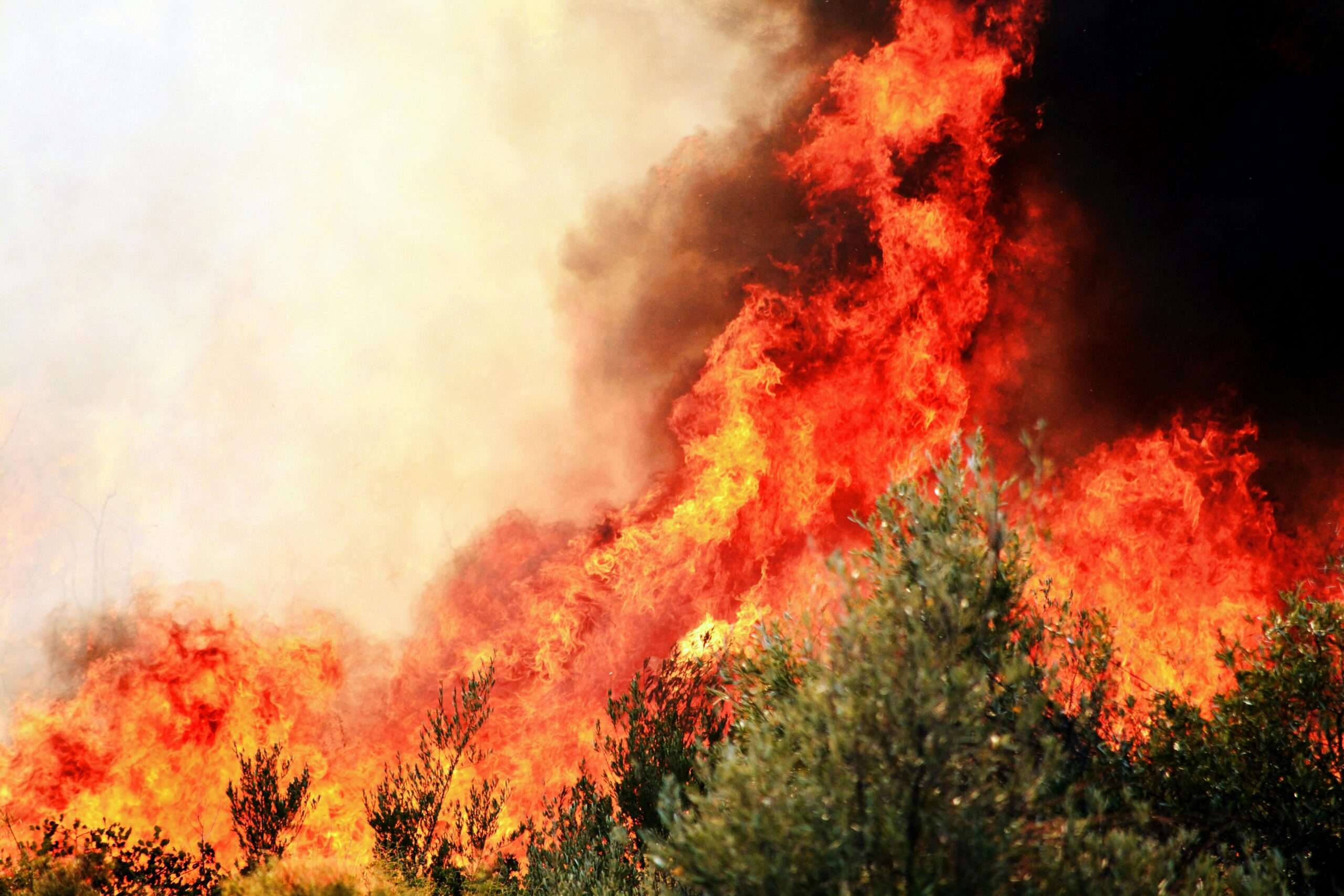
Photo by Yavuz Solgun from Pexels
For more of the latest from the expansive government marketplace, check Government Market News daily for new stories, insights and profiles from public sector professionals. Check out our national contracting newsletter here.