

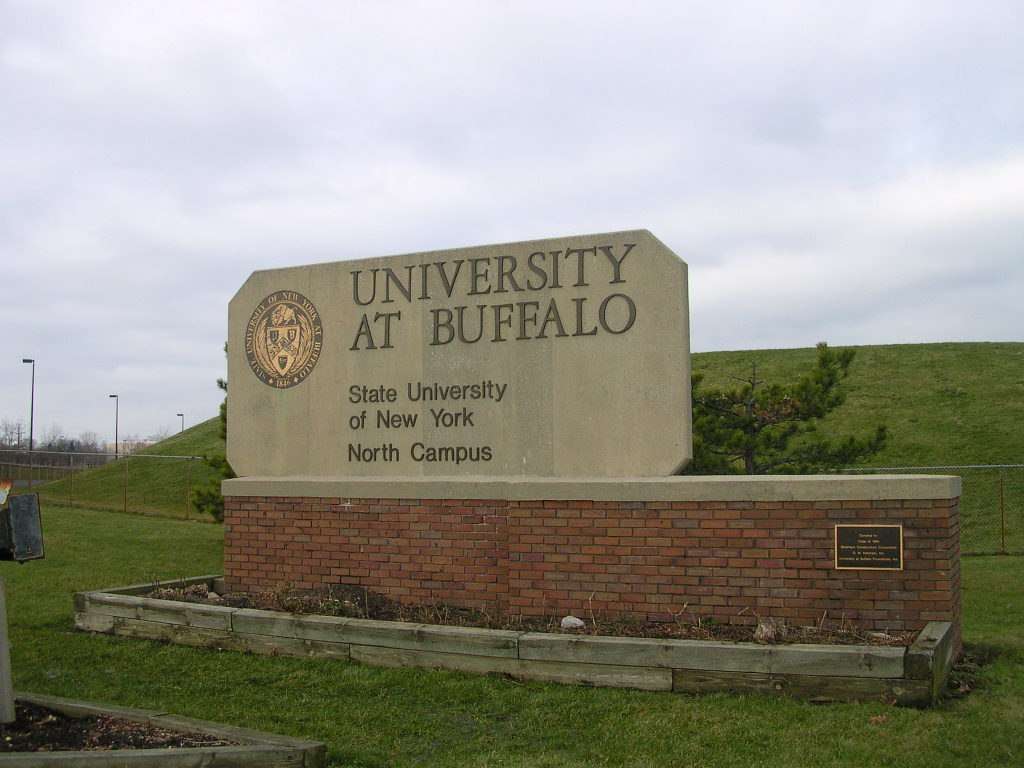
The University of Buffalo (UB) in New York is advancing a campuswide plan to decarbonize, reduce greenhouse gas emissions and reach carbon neutrality.
The university recently made progress toward achieving decarbonization as part of its North Campus Clean Energy Master Plan (CEMP), laying the foundation for future significant technology upgrades and other capital improvements.
The CEMP is a 25-year, billion-dollar strategic vision to decarbonize UB’s largest campus. The North Campus’ infrastructure is severely outdated, using antiquated power systems that rely on inefficient mixtures of electricity and natural gas. The university plans to convert to a fully electrified system designed to ease the campus’ carbon emissions load, reduce energy use by 30% and make significant energy savings in the process.
The university plans to invest almost $2 billion in capital construction over the next decade in a campus-wide transformation, not the least of which involves an increased focus on Empire AI’s expansion. The upcoming supercomputing center will enable Empire AI researchers to make great strides in scientific research and discovery, but it also sets up an opportunity for UB to restructure its energy network and prioritize clean energy technologies, including geothermal and heat pumps.
UB received a $68 million boost in 2025 to advance the CEMP, dedicating $62 million to advance Phase 1 of the plan’s decarbonization efforts and the remaining $6 million to fund a separate energy hub project in the South Campus. Phase 1 will consist of decarbonizing the Baker Chilled Water Plant by building two 30-inch neutral temperature water pipes. These pipes will directly link the plant to the Empire AI supercomputing center, piloting the university’s cost-effective, clean fuel centric approach to energy production.
The heat produced by the supercomputing center will be piped to the Baker Chilled Water Plant. The university plans to outfit the plant with heat exchangers and electric heat pumps and expand its cooling capacity, enabling it to distribute heat across campus. UB will build strategically located geothermal wells to assist with heat distribution.
The updated plant design will help lower energy costs across campus by maximizing heat efficiency in tandem with Empire AI’s anticipated demanding power use. The Baker Chilled Water Plant already supplies chilled water to cool campus buildings. By using the same infrastructure to share heating and cooling, buildings will save both energy and money simultaneously.
University officials noted that the decarbonization plan is the most feasible solution for the North Campus’ rising energy costs. With more than 130 buildings covering 7 million square feet, the current electric resistance heating style system costs more than $16 million to maintain. Making the transition to modern systems is imperative for reducing costs. Critical components of the CEMP include:
- Building new infrastructure connections.
- Modernizing heating and cooling systems.
- Integrating advanced analytics and AI technologies into new and existing buildings.
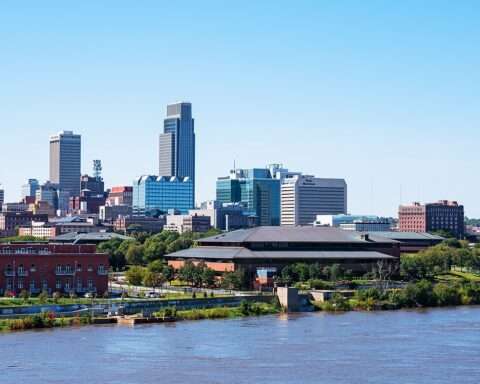
Photo by Nikopoley assumed (based on copyright claims)., CC BY-SA 3.0 http://creativecommons.org/licenses/by-sa/3.0/, from Wikimedia Commons
For more of the latest from the expansive government marketplace, check Government Market News daily for new stories, insights and profiles from public sector professionals. Check out our national contracting newsletter here.