

The city of Pasadena, California, has approved a strategic energy plan to mitigate greenhouse emissions (GHG) and achieve 100% reliance on power from carbon-free sources by 2030.
The Optimized Strategic Plan (OSP) was created to meet the goals laid out in Resolution 9977 – a landmark piece of legislature ratified in 2023 to guide the city’s decision-making practices to address climate change by going carbon neutral. The document directs Pasadena Water and Power (PWP) to implement an action plan designed to achieve this goal while maintaining energy affordability, rate equity and reliability for consumers. Primary investments outlined in the plan include:
- Local solar generation.
- Clean community-own project investments.
- Modernizing infrastructure for long-term sustainability.
The state of the energy industry and associated policies are prone to frequent and substantial shifts as priorities evolve and administrations pass the baton. Changes are typically driven by external forces, such as global supply chain disruptions and the release of new state and federal policies that impact energy sources. The OSP functions as a living, adaptive plan to ensure Pasadena can make consistent, dependable progress toward its clean energy goals while adapting to new technologies, market conditions shifting, changing customer needs and new developments in public policy.
The OSP takes the initiative on combatting the climate crisis, shaping a fundamental transition to clean, renewable energy through bold action rather than incremental change. The plan details five keystone activation sectors targeted for direct, impactful action, including:
- Rapidly scale proven technologies, including renewables and energy storage, within Pasadena and across the broader region.
- Develop innovative programs and rates to leverage customer-facing solutions.
- Mitigate Glenarm Power Plant operations, using it as a “reliability backstop” until another solution is available.
- Upgrade our power delivery infrastructure to improve reliability, relieve import constraints, and enhance demand side innovation.
- Monitor and encourage emerging technologies to expand options to decarbonize.
Technological innovation remains one of the most important criteria needed to guarantee the rapid deployment of renewable sources and energy storage solutions. As the city endeavors to accelerate development on these technologies, PWP’s next steps will add up to 550 megawatts (MW) renewables and storage while developing 50 MW of local solar and 100 MW of local storage. The plan emphasizes the need for near-term efforts to encourage customer adoption of solar and storage in order to increase renewable energy capacity.
PWP will collaborate with the Pasadena City Council for approval of projects proposed in the Capital Improvement Plan, ideally kickstarting projects scaling up to 500 kilowatts (kW) in 2028 and beyond. The utility company plans to install 25 MW of lithium-ion battery storage at Glenarm Power Plant, more than 50 MW of energy storage at a separate decommissioned power plant and identify high-value sites for microgrids. Additional efforts will investigate sites for solar development and commission alternative solutions to broaden options for solar and storage technologies.
The plan notes that, although the Glenarm Power Plant has been a valuable energy source, studies have shown that integrating carbon-free technologies into its operations is an infeasible solution to guarantee clean reliability. Full replacement of the facility will be necessary to achieve the city’s goals. Until it can be fully replaced, PWP will mitigate the plant’s operations. Currently, there are three potential pathways to cut fossil fuel usage at Glenarm entirely:
- Secure a second point of interconnection to CAISO and a replacement for the resource adequacy capacity provided by Glenarm today.
- Develop a “clean firm” resource within the City of Pasadena as a local replacement for Glenarm.
- Convert Glenarm to green hydrogen should a broader regional network to produce, store and transport the fuel become available.
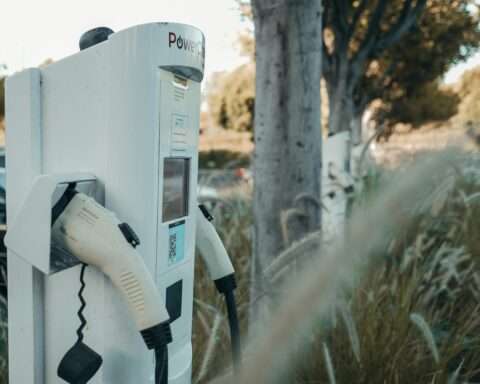
The development of innovative customer programs and rate structures also stands as an important part of the plan, ensuring PWP can reduce its peak load, integrate renewables and storage into the grid and enable customers to participate in the energy transformation process. Capitalizing on these opportunities will require the utility to deploy advanced metering infrastructure (AMI) to better measure load response and gather real-time information on energy usage. In addition, PWP will continue to develop a vast electric vehicle (EV) charging network and collaborate with commercial customers to participate in on-demand response programs.
The city will need to optimize and upgrade its power delivery infrastructure if it hopes to meet the needs of the community. Transitioning to 100% clean energy is anticipated to have its share of road bumps, including the lack of existing infrastructure needed to effectively transmit power where it needs to go. Aside from expanding AMI throughout the city, Pasadena will continue its ongoing work to replace underground 35 kV sub-transmission lines to harden the system and reduce outage frequency.
PWP will also work to expand the city’s interconnection to the California Independent System Operator (CAISO), executing two projects anticipated to be completed in more than a decade. The first project will replace transformers at the TM Goodrich Receiving Station to increase the city’s ability to import electricity. The second project will consist of adding a second point of interconnection to CAISO.
The final pillar supporting the OSP prioritizes municipal efforts to monitor emerging technologies that may give it an edge in securing a clean energy future. The two most promising technologies include long duration energy storage (LDES) and green hydrogen fuel. The city will also refine an assortment of carbon-free technologies currently in various stages of research and development.
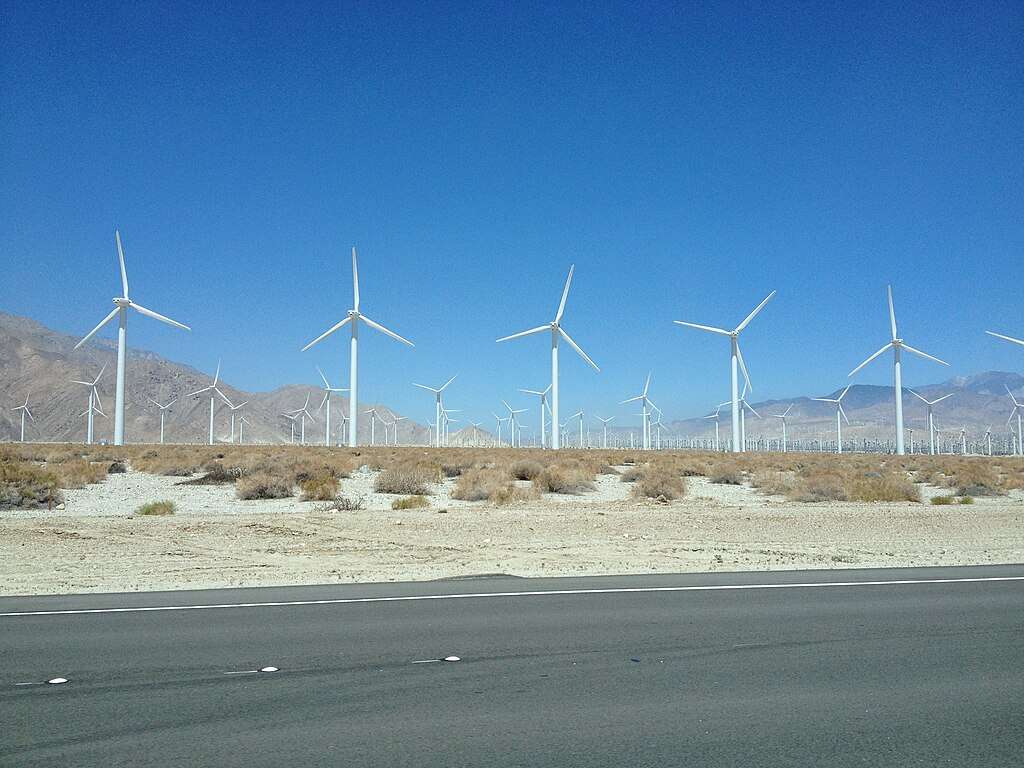
Photo by mypubliclands, Public domain, from Wikimedia Commons
For more of the latest from the expansive government marketplace, check Government Market News daily for new stories, insights and profiles from public sector professionals. Check out our national contracting newsletter here.