

The U.S. Department of Housing and Urban Development (HUD) issued a notice on Jan. 26 providing the first major policy update to the Green and Resilient Retrofit Program (GRRP) since the program was suspended in early 2025.
Effective March 1, the notice charts a new course for the program’s largest award tier and rewrites key rules around how funds can be used and how awards are structured.
Congress established the GRRP under the Inflation Reduction Act (IRA) of 2022. The program provides federal funding to HUD to improve water and energy efficiency, property conditions and overall resilience at HUD-assisted multifamily housing properties.
HUD made funding available through three tiers. Elements awards, worth up to $750,000 per property, fund targeted improvements within existing renovation projects. Leading Edge awards provide up to $10 million for more ambitious retrofit projects pursuing green certifications. Comprehensive awards offer up to $20 million for properties with the highest need for investment, per criteria set by HUD.
Eligible properties generally include those assisted under Section 8 Project-Based Rental Assistance, Section 202 Housing for the Elderly, Section 811 Housing for Persons with Disabilities and Section 236.
HUD suspended the GRRP in early 2025 as part of a broader federal review of programs authorized under the IRA and the Infrastructure Investment and Jobs Act (IIJA). A federal court issued a preliminary injunction in April 2025 ordering HUD and other agencies to resume processing and disbursing IRA and IIJA funding.
HUD began moving Elements and Leading Edge awards forward, but the Comprehensive tier remained stalled. Its implementation process had depended on Multifamily Assessment Contractors (MACs)—third-party firms HUD hired to help owners evaluate project needs and develop their scope of work—and HUD had terminated those contracts.
The updated notice, designated Notice H 2026-01, resolves that bottleneck by eliminating MACs entirely. Property owners must now procure their own assessments and develop their project scope independently.
Another significant change is the shift from grants to loans. Awardees that had not reached major processing milestones before March 1 can no longer receive grants. All Comprehensive awardees must convert their awards to surplus cash loans, and certain Leading Edge and Elements awardees that had not yet submitted required paperwork must do the same. Under the surplus cash loan structure, repayment comes from a portion of the owner’s annual surplus cash.
The notice also shifts how the program prioritizes certain types of improvements. Previously required Renewable Energy Assessments and Climate Resilience Assessments have been replaced by a Risk Mitigation Assessment focused on severe weather and natural disasters. GRRP funds can no longer be used for solar panel systems or electric vehicle chargers unless the award reached closing before March 1.
On the cost-sharing side, items like windows, roofs, appliances and flooring that previously required owners to cover the base cost are now eligible for up to 85% coverage from GRRP funds. The notice also compresses timelines throughout the process, cutting the window for Comprehensive awardees to submit a transaction plan from 12 months to three.
The updated guidance gives Comprehensive awardees a concrete path forward after nearly a year of stalled projects, though a significant rework of financial planning might be required for projects not awarded funds by March 1.
HUD is implementing the GRRP through the Office of Recapitalization within the Office of Multifamily Housing Programs.
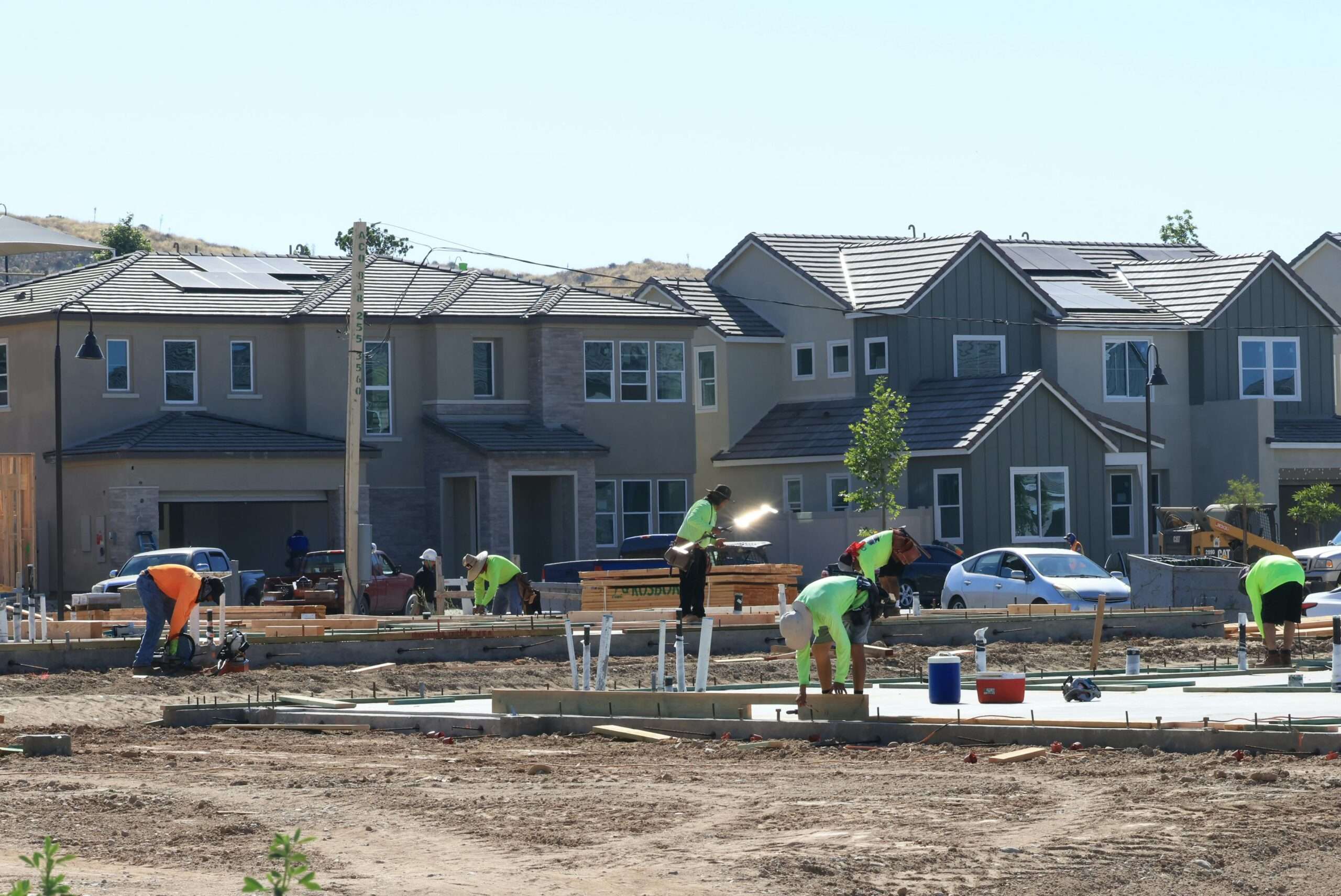
Photo by David Brown from Pexels
For more of the latest from the expansive government marketplace, check Government Market News daily for new stories, insights and profiles from public sector professionals. Check out our national contracting newsletter here.