

The U.S. Department of Energy’s (DOE) has launched a multi-state initiative to expand the use of reliable, flexible geothermal power on the nation’s grid.
The Geothermal Power Accelerator, through the DOE’s Geothermal Technologies Office (GTO), will collaborate with 13 states to establish geothermal goals, improve resource mapping and drive policies and programs designed to reduce project costs and address regulatory barriers. State offices selected to participate in the Accelerator include:
- Arizona.
- California.
- Colorado.
- Hawai’i.
- Idaho.
- Louisiana.
- Montana.
- Nevada.
- New Mexico.
- Oregon.
- Pennsylvania.
- Utah.
- West Virginia.
The National Association of State Energy Officials (NASEO) will lead the Accelerator. NASEO and all participating state offices will work with federal partners and industry leaders to identify and implement practical solutions to invest in and deploy geothermal technologies. The work will start with a series of strategy sessions and discussions with participating federal and private sector experts.
NASEO published an accompanying report as part of the announcement outlining essential information for evaluating geothermal power development opportunities. The report – titled “Geothermal Power: Overview and Considerations for State Policy, Planning and Market Advancement” – provides states with the background, application, use case, technology, policy, regulatory and workforce information needed to inform key decision-making processes and advance geothermal power deployment.
Based on a set of techno-economic criteria, the report projected that the nation may be able to achieve 90 gigawatts of next-generation geothermal capacity by 2050. However, achieving that goal is dependent on a concentrated state-federal effort to overcome barriers barring geothermal development. These roadblocks typically result from issues in the following areas: scientific and technical; legal, policy and regulatory; and business and financial.
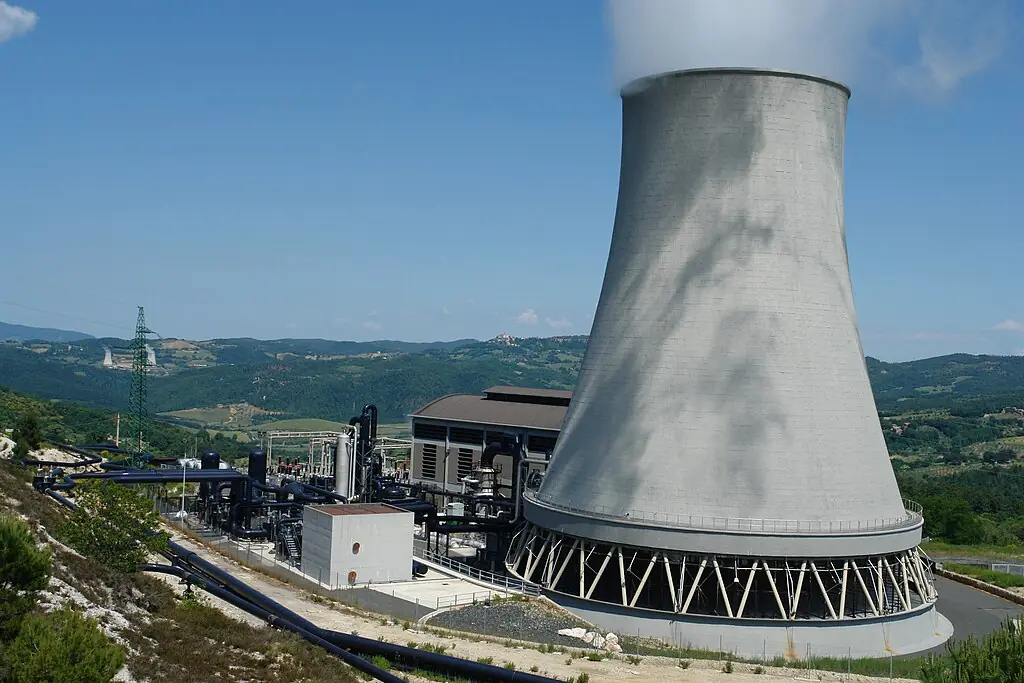
Photo by T. AGEMAR, CC BY 4.0 https://creativecommons.org/licenses/by/4.0, from Wikimedia Commons
For more of the latest from the expansive government marketplace, check Government Market News daily for new stories, insights and profiles from public sector professionals. Check out our national contracting newsletter here.